
Basket Empty
Department for Cultural BereavementOfficial notice / do not remove
Art Is Dead
Don’t consume its corpse
STATUS: DECEASEDCAUSE: SUCCESSFUL PRESERVATIONPLEASE DO NOT INGESTREFERENCE: ART/DEATH/00047-B
Yes, That's Right
Art is dead.
Again.
Please update your records.
Photography killed painting sometime in the nineteenth century, although painting rather inconsiderately carried on afterwards.
Recorded music killed live music.
Cinema killed theatre.
Television killed cinema.
Video killed the radio star.
Synthesizers killed musicians.
Drum machines killed drummers.
Sampling killed originality.
Photoshop killed photography.
Digital painting killed painting again, which was impressive considering painting had already been dead for over a hundred years.
The internet killed everything.
AI has now arrived to kill everything again.
At this point art has been declared dead so many times that somebody really ought to stop issuing death certificates.
Fortunately, death has certain advantages.
Dead art behaves itself.
It stays where you put it.
It can be framed.
Priced.
Catalogued.
Authenticated.
Insured.
Bought.
Sold.
Inherited.
Explained.
Reviewed.
Matched to the sofa.
Most importantly, it can be appreciated without anything further happening.
No response required.
No consequences expected.
It does not suddenly start a band.
It does not photocopy itself at work.
It does not learn three chords.
It does not paint over the wall.
It does not acquire additional limbs because somebody remembered it incorrectly.
This is enormously convenient.
The Department for Cultural Bereavement has therefore confirmed that the corpse is in excellent condition.
Unfortunately, people keep making things.
They paint walls.
Write songs.
Draw monsters.
Build strange games.
Photograph bins at night.
Glue bits of newspaper together.
Program fish.
Make six-minute noise tracks nobody will ever willingly play twice.
Something has clearly gone wrong with the funeral.
01
Please Appreciate Correctly
Respectable culture does not simply decide which art is valuable.
It decides what a respectable relationship to culture looks like.
You may appreciate.
Interpret.
Collect.
Review.
Study.
Develop taste.
Know which painter matters.
Which record matters.
Which edition matters.
Which chair matters.
Which small ceramic object indicates that you have understood the twentieth century correctly.
This is called being cultured.
What you are not particularly required to do is answer.
The ideal cultural subject is strangely passive.
They receive culture.
They understand culture.
They acquire culture.
They arrange culture around themselves.
Culture becomes evidence.
Evidence of taste.
Evidence of education.
Evidence that you know which things deserve to be taken seriously.
Good taste is partly knowing what to like.
It is also knowing how to like it.
Quietly.
Correctly.
At the appropriate distance.
Preferably without immediately going home and making a much worse version.
Participation is messier.
Participation produces amateur work, derivative work, fan art, cover versions, bootlegs, photocopied posters, three-chord bands, mods, bad drawings, bad poems and bad paintings.
Occasionally very good things made by people who were not supposed to know how.
This is administratively difficult.
There is no reliable dress code.
The complaints are remarkably consistent.
YOU DIDN’T MAKE IT.
WHERE’S THE SKILL?
ANYONE COULD DO THAT.
THAT’S NOT ART.
Nobody knows who first printed the form.
Copies have been found beside cameras, synthesizers, photocopiers, samplers, computers, spray cans and several objects nobody was able to identify.
The equipment changes.
The paperwork survives.
You didn’t make it.
Sometimes true.
Where’s the skill?
Possibly not where you were told to look for it.
Anyone could do that.
Possibly.
Most of them didn’t.
That’s not art.
There it is.
A sentence capable of turning almost any cultural disagreement into an unusually boring afternoon.
Photography heard versions of it.
Collage heard it.
Sampling heard it.
Electronic music heard it.
Digital art heard it.
People using computers heard it.
Someone else will hear it next.
The argument changes clothes.
The argument remains suspiciously familiar.
Photography allowed people to make images without first spending seven years learning how to paint a convincing horse.
Naturally, civilisation trembled.
Recorded sound allowed music to continue happening after everyone involved had gone home.
Synthesizers produced noises without requiring a corresponding wooden object, stretched animal skin or man called Dave.
Drum machines could play the same beat all evening without getting tired, speeding up during the exciting bit or disappearing outside for a cigarette.
Dave objected.
Computers introduced the deeply suspicious ability to undo mistakes.
Previously, mistakes had integrity.
They stayed where you put them and stared at you.
Digital photography removed the important artistic ritual of taking twenty-four photographs on a trip to Blackpool, paying to have them developed, waiting several days and discovering that nineteen were black, three contained your thumb and the only decent photograph had somebody walking in front of the Tower.
This loss remains culturally significant.
Photoshop then allowed photographers to alter photographs.
This was considered extremely alarming despite photographers having spent more than a century altering photographs in rooms specifically built for altering photographs.
Eventually something peculiar happens.
The vulgar new thing becomes respectable.
Nobody announces this.
There is no parade.
One morning it simply has a course.
Then a qualification.
Then specialist equipment.
Then expensive books.
Then a bloke in a waistcoat describing the workflow as traditional.
The people accused of cheating with it begin complaining that somebody else is cheating differently.
This is called continuity.
The tool changes.
The posture survives.
02
Please Remain Visible
The internet did something extraordinary for artists.
You can make something in a bedroom, studio, kitchen, shed or suspiciously damp industrial unit and show it directly to people all over the world.
A strange painting can find the person who likes strange paintings.
A tiny band can find forty people in another country who suddenly care about it with alarming intensity.
A game made by one person can be played by somebody thousands of miles away before either of them has put trousers on.
Historically astonishing, really.
For a moment it looked as though culture might become extremely difficult to contain.
Anyone could publish.
Anyone could distribute.
Anyone could find an audience.
Anyone could make something embarrassingly specific.
Fortunately, somebody invented analytics and the algorithm.
Now the painting knows exactly how disappointing it has been.
The old cultural gatekeepers wanted work to satisfy their taste.
The new ones do not technically possess taste.
This has not stopped them developing preferences.
R3N SOCIAL
SCROLLING: 00:00
R3N Metrics@r3n.metrics · Suggested for youSPONSORED
YOUR ARTWORK HAS REACHED 18,642 PEOPLE
Excellent.
R3N Metrics@r3n.metrics · Suggested for youSPONSORED
WOULD YOU LIKE TO MAKE A REEL?
No.
R3N Metrics@r3n.metrics · Suggested for youSPONSORED
WOULD YOU LIKE TO MAKE A REEL NOW?
Still no.
R3N Metrics@r3n.metrics · Suggested for youSPONSORED
WE HAVE DETECTED THAT YOU HAVE NOT MADE A REEL
Correct.
THIS APPEARS TO BE A MEDICAL EMERGENCY
R3N Metrics@r3n.metrics · Suggested for youSPONSORED
The machine has successfully introduced your painting to somebody in São Paulo while they were sitting on the toilet.
This would have been considered sorcery for most of human history.
The machine would now like you to point upwards while three sentences appear above your head.
Progress contains compromises.
Distribution systems develop preferences.
They notice what travels.
We notice what they notice.
The painting becomes vertical.
The song gets shorter.
The opening gets louder.
The first three seconds become extremely important.
The strange bit gets removed because only 14% of viewers reached the strange bit.
Visibility is useful.
Visibility is also a market.
Someone is always attempting to sell you your own audience back.
Once again, culture has acquired a correct posture.
Only this time the posture is portrait.
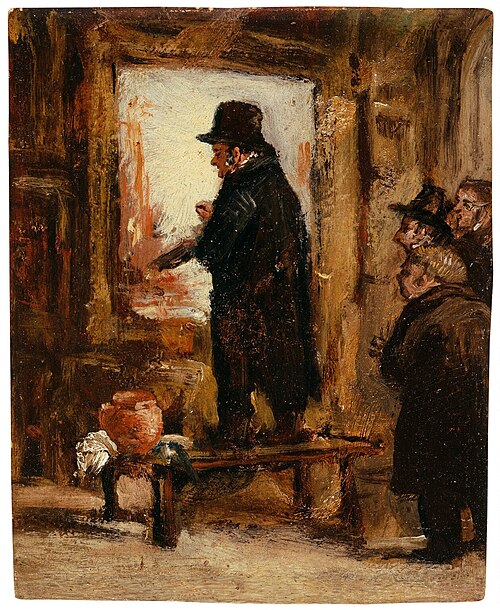
J.M.W. Turner@turner · Historical artistPARODY
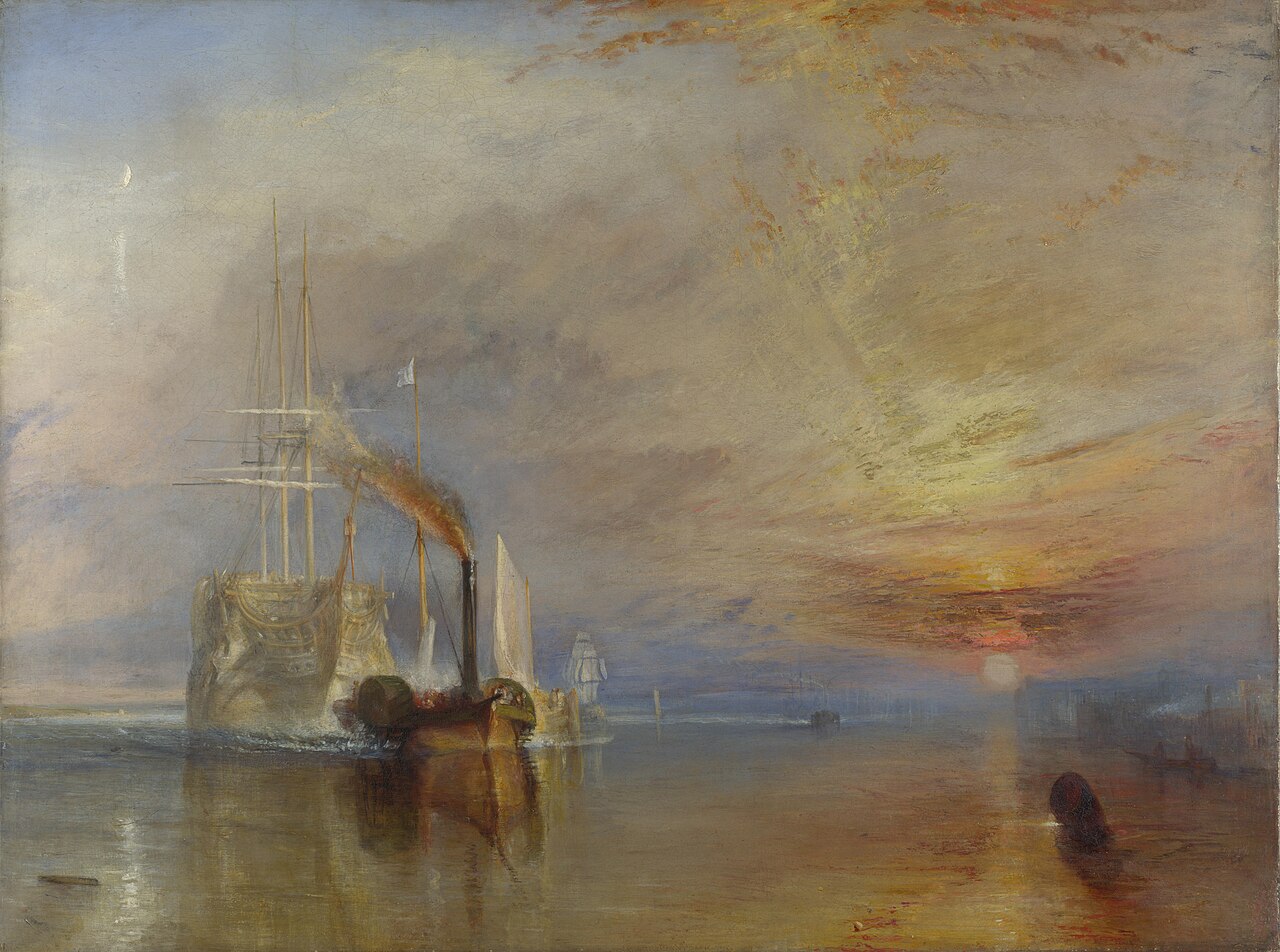
Apparently I should have posted this at 18:30.
It is a sunset.
♡ 814 ◯ 63 ↗ 41
CREATOR TIP: Try sharing sunsets when your audience is most active.
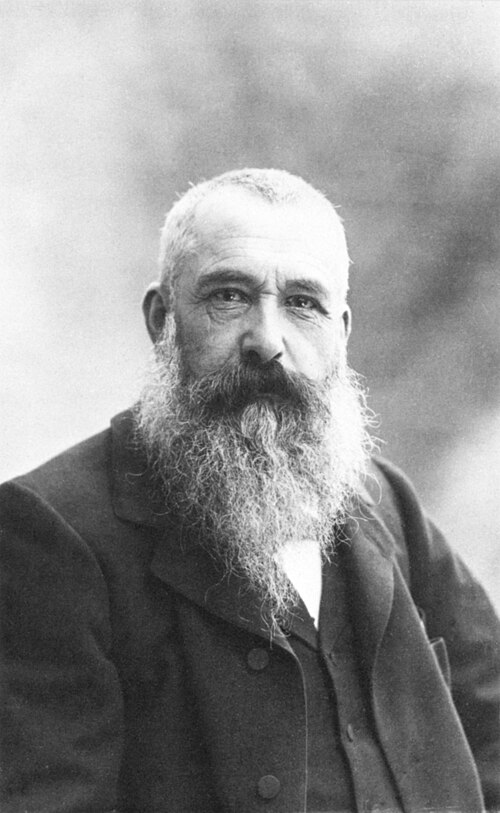
Claude Monet@claudemonet · Historical artistPARODY
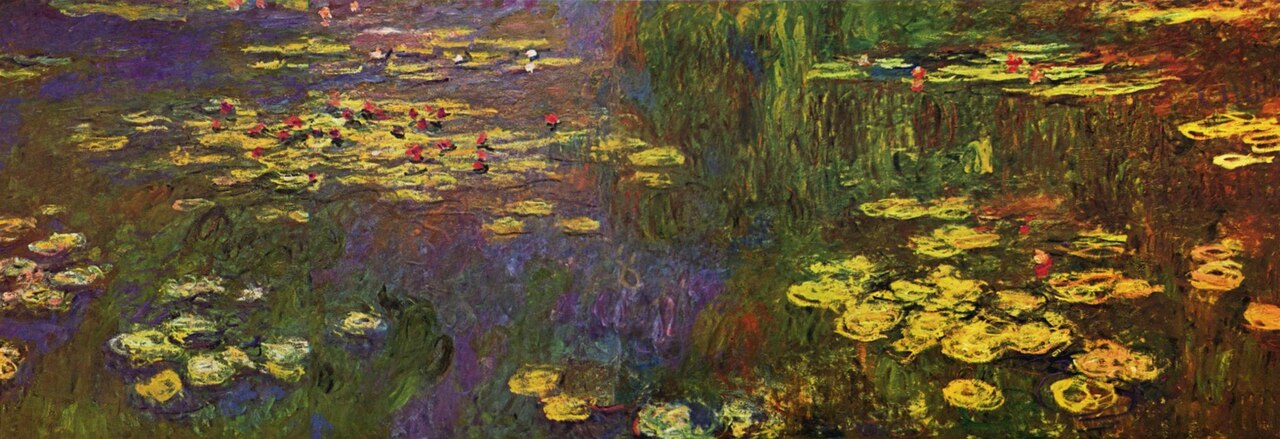
Have I been shadow banned?
Reach has fallen off a cliff since I started posting the water lilies.
♡ 14 ◯ 3
THIS POST MAY CONTAIN REPETITIVE CONTENT
Claude Monet@claudemonet · Historical artistPARODY
Hello?
♡ 4
WE NOTICED YOU HAVEN’T POSTED A REEL RECENTLY
Monet:
I am dead.
TRY SHARING A BEHIND-THE-SCENES VIDEO
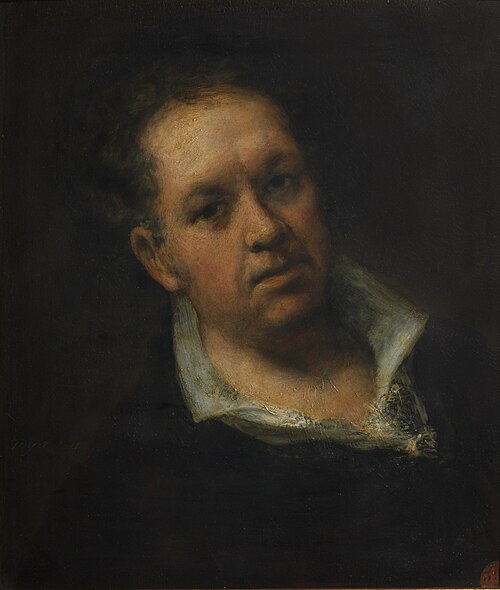
Francisco Goya@goya · Historical artistPARODY
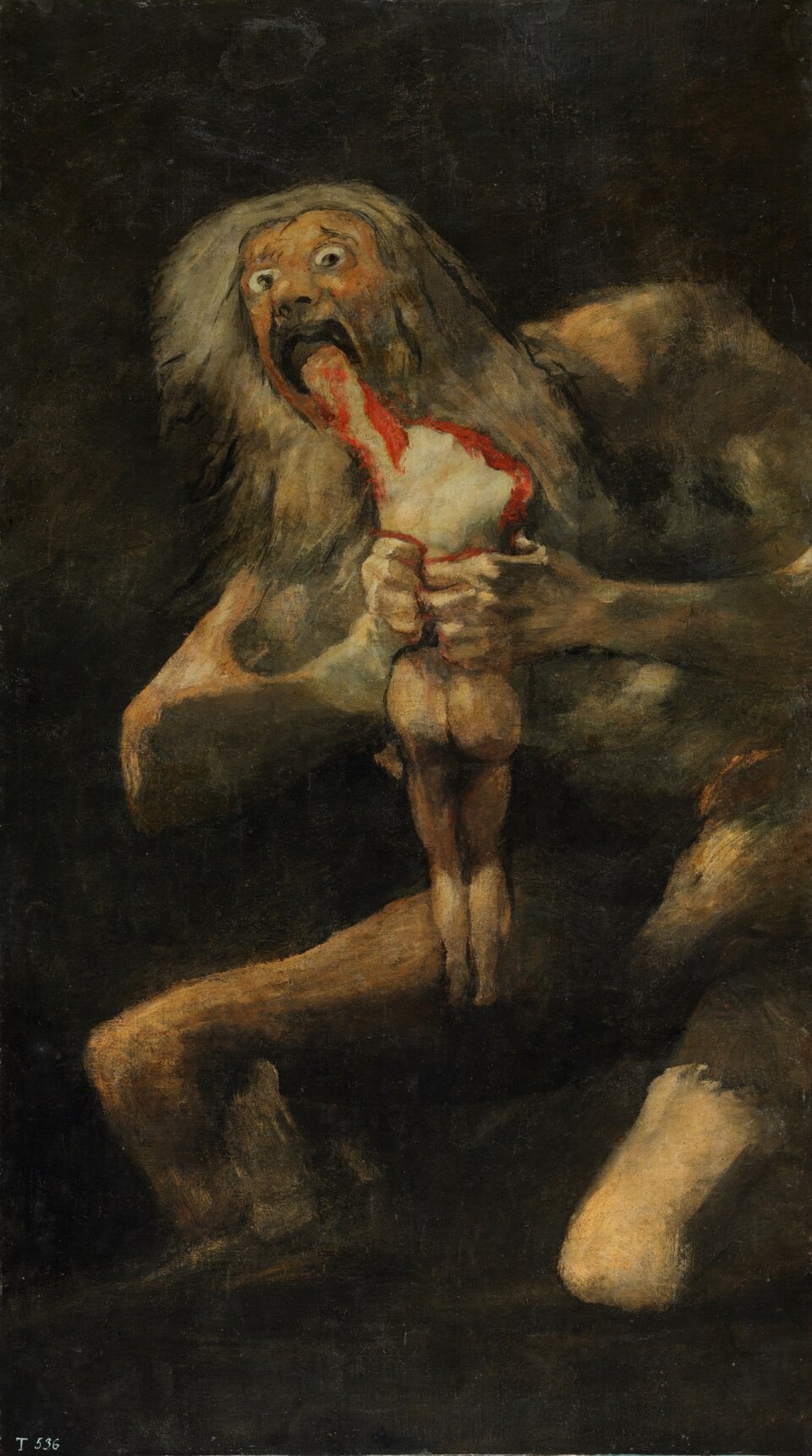
Apparently the new work is “too dark” and I should try making something more relatable.
What exactly would you like me to do with Saturn?
♡ 31,402 ◯ 8,211
CREATOR TIP: Posts featuring smiling faces receive 27% more engagement.
PLATFORM RESPONSE:
Not like that.
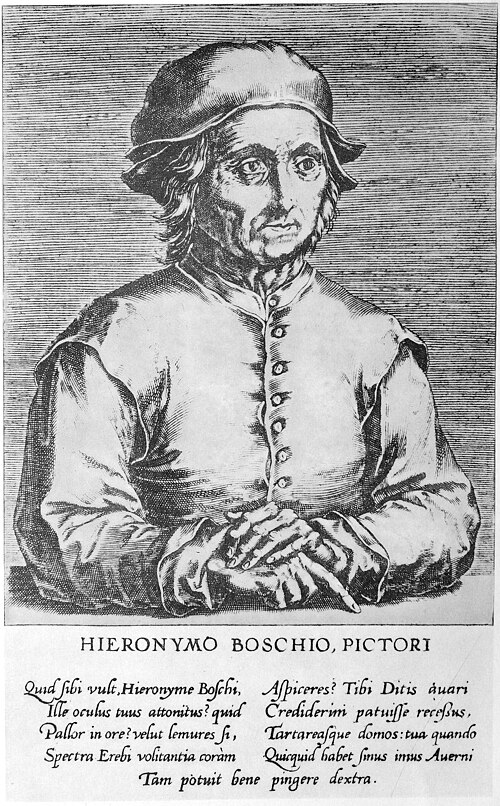
Hieronymus Bosch@gardenofearthlydelights · Historical artistPARODY
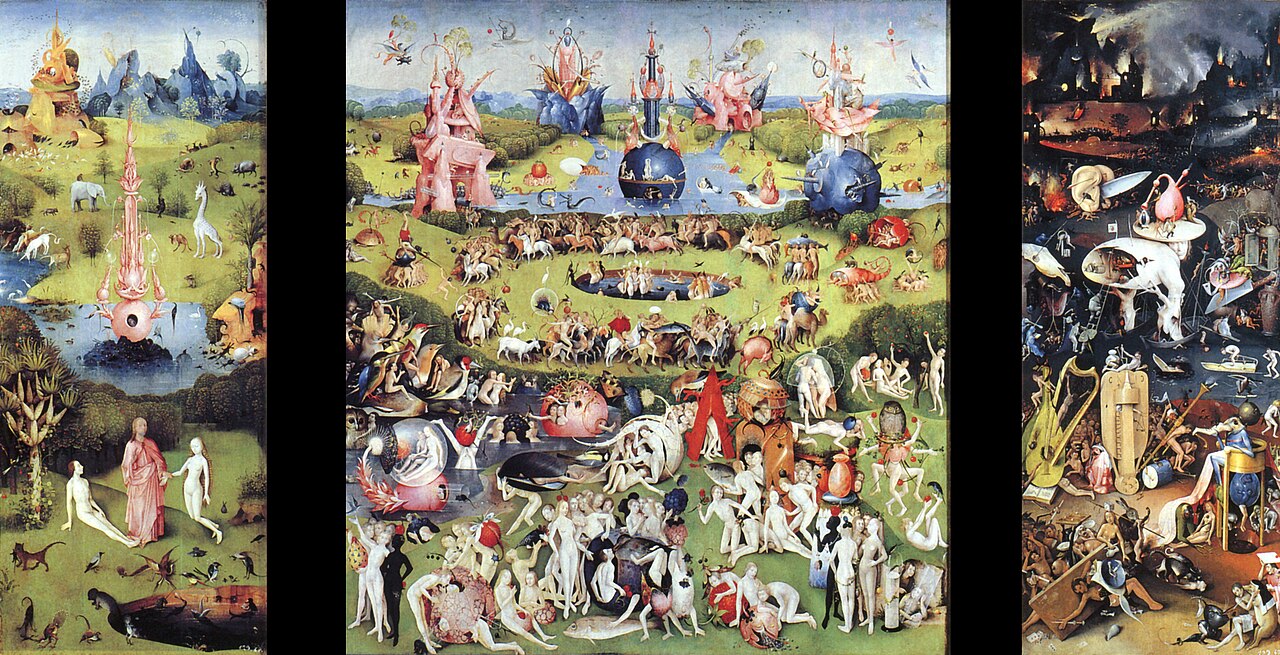
[POSTED 47 IMAGES]
3.4M VIEWS
481K LIKES
92K SHARES
THIS POST IS PERFORMING 1,847% BETTER THAN YOUR USUAL CONTENT
TOP AUDIENCE INTERESTS:
DEMONS
EGGS
ENORMOUS BIRDS
UNEXPLAINED MACHINERY
PEOPLE BEING INSERTED INTO OBJECTS
CREATOR RECOMMENDATION:
MAKE MORE HELL CREATURES
R3N Metrics@r3n.metrics · Suggested for youSPONSORED
NotificationMonet has unfollowed Bosch
R3N Metrics@r3n.metrics · Suggested for youSPONSORED
Sometimes the feed simply carries exactly what you wanted to make to somebody who loves it.
Good.
That matters.
The question is not whether the feed is good or bad.
It is:
ARE WE USING THE FEED TO CARRY THE WORK, OR IS THE FEED QUIETLY REDESIGNING THE WORK?
R3N Metrics@r3n.metrics · Suggested for youSPONSORED
ENGAGEMENT HAS FALLEN 9% SINCE THIS PARAGRAPH BEGAN
Sorry.
THE ALGORITHM IS WAITING.
R3N Metrics@r3n.metrics · Suggested for youSPONSORED
PEOPLE WHO LIKED THIS MANIFESTO ALSO LIKED:
DOG
WAR
CERAMIC FROG
TRAIN DELAY
YOUR EX
ANOTHER DOG
A MAN RESTORING A DRAIN
R3N Metrics@r3n.metrics · Suggested for youSPONSORED
YOU HAVE BEEN SCROLLING FOR 0 SECONDS.
Would you like to make something instead?
FEED: 0%
03
Please Do Not Touch
Authentic Cultural Object
Do Not Handle
Do Not Alter
Do Not Reproduce
Do Not Form A Band Inspired By This Item
There is another advantage to dead art.
Dead things can become property.
The ideal cultural object is finished.
Finished things are easier to own.
Ideally there is one of them.
If there are several, number them.
If there are thousands, become concerned.
Scarcity is useful.
Scarcity allows an object to be an object and also a financial event.
A unique thing can acquire provenance.
Provenance can acquire paperwork.
Paperwork can acquire value.
Eventually somebody wearing gloves carries the thing between two rooms.
Everyone is relieved.
The object is safe.
Nothing further is expected of it.
This is the bourgeois miracle.
Not simply that culture can be bought.
Most artists would quite like you to buy things.
The trick is persuading everyone that ownership is the natural final state of culture.
The work is finished.
The value has been agreed.
The correct interpretation is available if required.
Please appreciate.
Please preserve.
Please do not interfere.
Living culture is less cooperative.
It wants to be repeated.
It gets sung badly.
Drawn from memory.
Misquoted.
Played too fast.
Printed too dark.
Translated badly.
Someone changes the ending.
Someone adds a monster.
Someone thinks the monster was always there.
Now there are twelve versions and an argument.
Excellent.
The corpse is showing unusually high levels of activity.
04
Original Content™ Has Been Located
100%
Original
CULTURAL CONTAMINATION: 0%
We are very concerned about originality.
Originality becomes particularly important once culture behaves like property.
If culture is participation, copying is ordinary.
If culture is property, copying becomes a problem.
We need borders.
This work.
That author.
This influence.
That theft.
This important original.
That embarrassing derivative.
Please keep all cultural material inside the marked area.
A proper artist should therefore ideally make work without having encountered any previous art.
No influences.
No books.
No films.
No music.
No architecture.
No folklore.
No childhood.
No memories.
No previous human civilisation.
No windows.
Windows may contain references.
For maximum originality, the artist should probably be raised in a sealed white room until thirty-five and then released with a box of crayons.
Unfortunately they would probably invent the rectangle.
This would be embarrassing.
Culture has never worked like this.
Paintings contain paintings.
Songs contain songs.
Stories contain older stories.
Punk contains rock and roll.
Rock and roll contains blues.
Electronic music contains machines somebody initially intended for completely different purposes.
Genres exist because several people made suspiciously similar things.
The history of culture is mostly people looking at something and thinking:
I’M HAVING SOME OF THAT.
Every guitarist who learned three chords immediately lent them to another guitarist.
Somehow the chords survived.
Nobody successfully depleted E minor.
Influence is not a defect in culture.
Influence is culture happening.
Folklore is especially irresponsible.
A story gets told.
Someone forgets half of it.
Someone adds a woman in white.
The bridge becomes a reservoir.
The horse becomes a dog.
The dog becomes enormous.
Its eyes become red.
Someone’s uncle claims to have seen it in 1978.
He was coming back from the pub.
This somehow strengthens the account.
By 2026 there is a Facebook group.
Nobody knows who receives royalties.
Excellent.
Folklore survives because nobody successfully copyrighted the ghost.
Culture is not a neat queue of sealed original objects.
It is a contaminated puddle.
Things fall into it.
Things breed.
Something develops additional limbs.
Someone puts it on a T-shirt.
STATUS: COMPLETELY COMPROMISED
05
Please Copy This
Seriously.
Copy things.
Remix them.
Sample them.
Quote them.
Trace them.
Make fan art.
Make bootlegs.
Make cover versions.
Copying refuses the idea that your only legitimate relationship to culture is admiration.
You are allowed to answer.
You are allowed to learn badly.
You are allowed to make the cheap version.
The local version.
The cardboard version.
The version held together with tape because the shop is shut.
The version made with the tools you already own.
The version nobody would insure.
The version nobody can sell.
Turn a painting into a song.
Turn the song into a game.
Turn the game into a deeply unnecessary puppet show performed for seven confused people above a pub in Stockport.
One of them has only come upstairs looking for the toilet.
They count.
Make the unofficial sequel.
Make the version your friend misunderstood after three pints.
People copy clothes.
Lettering.
Riffs.
Techniques.
Ways of standing.
Ways of holding a guitar while pretending not to care.
Someone sees something and thinks:
I want to do that.
They do it badly.
Then differently.
Then somebody copies the different bit.
Congratulations.
A culture has occurred.
This is deeply inconvenient for any system which would prefer culture to consist of discrete objects with clearly labelled owners.
A song does not become smaller because somebody learned it.
A drawing is not depleted when somebody copies the pose.
The ghost does not vanish when another village acquires one.
Culture can multiply without dividing.
Suspicious behaviour.
Sampling does this.
Collage does this.
Memes do it before breakfast.
Fan fiction does it with alarming commitment.
Mods do it.
Open-source software practically puts instructions on the door.
Of course this does not mean:
TAKE WHATEVER YOU LIKE FROM WHOEVER YOU LIKE
That would be another convenient simplification.
Credit people.
Respect boundaries.
Ask permission where it matters.
Do not take somebody else's finished work, remove their name and announce that you have personally invented Thursday.
Culture should be difficult to own completely.
People should not be easy to exploit.
Both statements can fit in the same room.
Please stop calling security.
Culture needs fingerprints.
06
Participation Is Not Extraction
There is an important difference.
A teenager sampling four seconds of a record in their bedroom is not the same thing as a corporation absorbing millions of works into a commercial system.
A fan drawing a character is not the same thing as a company printing it on ten thousand mugs.
A community passing stories around is not the same thing as somebody fencing off the stories and charging the community admission.
All may involve copying.
They are not the same activity.
Scale matters.
Power matters.
Consent matters.
Who benefits matters.
What comes back matters.
This is irritating because it refuses to fit neatly into either available shouting position:
EVERYTHING IS THEFT
or
NOTHING IS THEFT
Please choose one and report to the designated argument area.
Participation tends to add something.
A response.
A variation.
A joke.
A community.
A new mistake.
Something returns.
Extraction works differently.
Extraction takes a living thing and asks how much value can be removed from it before somebody notices.
Sometimes it adds an earnings call.
They are different animals.
Even if somebody has put the same copyright hat on both.
The alternative to private ownership of everything is not corporate ownership of everything.
That should not be a difficult sentence.
Apparently further paperwork is required.
07
Use The Wrong Tool
Respectable culture likes proper materials.
Proper tools.
Proper training.
Proper technique.
Proper presentation.
Preferably an invoice.
Proper materials require money.
Proper equipment requires money.
Proper software requires a subscription.
Proper training requires time.
Time has historically been distributed with some irregularity.
Fortunately, culture has never waited patiently for the correct equipment.
Paint cracks.
Film burns.
Printers misregister.
A camera decides everyone at the party should have red eyes.
A synthesizer develops a noise that sounds expensive to repair.
Software crashes.
A graphics program suddenly decides the image is now 34 metres wide.
Excellent.
The mistake has arrived.
Use the wrong thing.
Use the thing you already have.
Use the free thing.
Use household paint.
Use broken electronics.
Use a photocopier until the image resembles evidence recovered from a fire.
Use a game engine to make somewhere nobody can win.
Use a spreadsheet to make a landscape.
Use code to make fish.
Use a printer that has claimed to be out of cyan since 2019.
It knows what it did.
Use presentation software to make an animation.
Use accounting software to write a poem.
Make a cathedral in Microsoft Paint.
Make techno in Excel.
Use expensive software for something profoundly stupid.
Use cheap software for something technically unreasonable.
Use the guitar with three working strings.
Use the camera you already own.
Use the brush from the decorating cupboard.
Use whatever allows the thing to exist.
Professional equipment does not produce important art.
Cheap equipment does not produce authentic art.
Difficulty does not produce important art.
Ease does not prevent it.
Neither suffering nor expense is a recognised unit of artistic measurement.
This has not prevented repeated attempts at conversion.
Export it.
Import it.
Break it.
Export it again.
Discover the file format no longer exists.
Threaten the computer.
Eventually something will happen.
The tool is not the artwork.
The interesting part is the argument you have with it.
If somebody says:
THAT’S NOT WHAT THIS PROGRAM IS FOR
you may be getting somewhere.
08
This Item May Expire
Property prefers permanence.
Permanence makes paperwork easier.
A thing that survives can be stored.
A thing that can be stored can be inventoried.
A thing that can be inventoried can acquire a number.
A number is comforting.
Permanent culture can be preserved.
Inherited.
Valued.
Resold.
Temporary culture is much less cooperative.
A gig ends.
A wall gets repainted.
A website breaks.
A joke disappears with the people who understood it.
A strange object exists for eleven minutes and is witnessed by six people and a Labrador.
It still happened.
Not everything needs to become an asset.
Not everything needs an estate.
Not everything needs an afterlife.
Somewhere a server is probably still preserving a photograph I accidentally took of the inside of my coat pocket in 2014.
It has survived several data migrations.
Entire websites have vanished.
The pocket remains.
Thank you for your service.
Make temporary things.
Paint over them.
Leave them outside.
Let the weather interfere.
Make something that only works in one version of Firefox for reasons nobody can establish.
Sometimes the entire cultural record can be:
I SAW A VERY STRANGE THING ONCE.
That counts.
This sentence will remain part of the permanent cultural record.
RENEW SENTENCE?
09
Do Not Consume
The title does not mean:
PLEASE STOP BUYING ART.
That would be an unfortunate conclusion for an artist to reach.
Buy art.
Buy books.
Buy records.
Buy prints.
Go to gigs.
Pay artists.
Give somebody £8 for the unnecessary object they became obsessed with making on Wednesday night.
Buy a ceramic creature whose function remains uncertain.
Ask what it does.
Accept “nothing” as a complete answer.
Buying things is not the problem.
Consuming culture is not the problem.
Of course we consume culture.
The problem is when consumption is presented as the finished form of participation.
The perfect consumer of culture is extraordinarily well behaved.
They know what they like.
Better still, they know what they are supposed to like.
They buy the record.
They do not start a band.
They buy the print.
They do not make a poster.
They buy the book.
They do not write in the margins.
They visit.
They appreciate.
They understand.
They acquire.
They develop taste.
And then they wait politely for more culture to be produced for them.
This is an excellent arrangement if culture is a market.
It is a terrible arrangement if culture is supposed to be alive.
Respectable culture does not merely buy art.
It decides that the respectable relationship to culture is ownership, appreciation and good taste rather than participation.
You are encouraged to know culture.
To recognise it.
To value it.
To position yourself correctly in relation to it.
The cultured person knows.
The amateur does.
One of these has traditionally enjoyed better branding.
Participation remains suspiciously vulgar.
People sing badly.
Copy things.
Draw characters they do not own.
Learn songs incorrectly.
Paint without training.
Write without permission.
Make games nobody commissioned.
Put photocopied posters on walls.
Start bands despite considerable evidence that another band is unnecessary.
This is culture too.
Possibly most of it.
The problem is not consuming culture.
The problem is stopping there.
Culture is not supposed to end inside you.
If something gets into your head, answer it.
Draw because of it.
Sample it.
Remix it.
Argue with it.
Make fan art.
Start a band.
Make a poster.
Make a game.
Build a strange little website.
Make a weird digital zine that almost nobody will read.
Spend several evenings arguing with the browser.
Make one section behave like a social-media feed.
Add an unnecessary glitch.
Add a reduced-motion version of the unnecessary glitch.
At some point realise you could simply have made a PDF.
Continue.
Print fifty copies of something nobody requested.
Get the meaning wrong.
Add something.
Pass it on.
The respectable version of culture says:
THIS IS THE WORK.
THIS IS THE AUTHOR.
THIS IS THE OWNER.
THIS IS THE VALUE.
PLEASE STAND BEHIND THE LINE.
Living culture says:
Come here.
Look at this.
I stole this bit from a song.
My friend changed it.
Someone drew a cat on it.
We have forgotten who started it.
Do you want one?
Copy It.
Remix It.
Answer It.
Break It.
10
Art Remains Dead
So yes.
Art remains dead.
Please stop contacting the department.
We are aware of the situation.
The body has been stabilised.
Valued.
Catalogued.
Insured.
A suitable buyer may already have been identified.
Unfortunately, unauthorised cultural activity continues.
Somebody is painting a wall.
Someone has started another band.
A child has invented an animal.
It has seventeen legs and lives in drains.
Biologists have declined involvement.
A teenager has discovered music made twenty years before they were born and is currently ruining it in a potentially important new way.
Someone has copied a drawing.
Someone else copied the copy.
The third version has acquired wings.
Nobody can remember whether the wings were intentional.
Someone has built a landscape in a spreadsheet.
Someone else has made a drum machine do something that may qualify as harassment.
Two people nearby have begun arguing about whether either thing counts as art.
Nobody asked.
Dave is outside having a cigarette.
The drum machine is still playing.
A collector has requested that Dave stop leaning on the wall.
Dave has declined.
Most things people make will be ordinary.
Some will be dreadful.
Some will be technically astonishing and completely lifeless.
Some will be badly made and impossible to forget.
Some will cost £20.
Some will cost £20,000.
The price will provide surprisingly little assistance.
Someone will spend six months perfecting something nobody cares about.
Someone else will make something brilliant in twenty minutes and feel slightly guilty about it.
Nobody knows which thing will crawl into somebody else's head and rearrange the furniture.
This remains administratively inconvenient.
Perhaps the thing worth protecting was never Art, the enormous sacred noun.
Perhaps it was the activity underneath it.
The copying.
The borrowing.
The mistakes.
The mutations.
The arguments.
The refusals.
The unofficial versions.
The bad versions.
The cheap versions.
The local versions.
The strange tools.
The terrible first attempts.
The things made for seven people above a pub.
The things made after work.
The things given away.
The things sold cheaply.
The things nobody thought to preserve.
The weird digital zines almost nobody reads.
The things that cannot be collected.
The things that refuse to stay finished.
The things made because somebody saw something and could not leave it alone.
That activity appears to be alive.
It is touching the exhibits.
Please do not report it.